Start with the routine
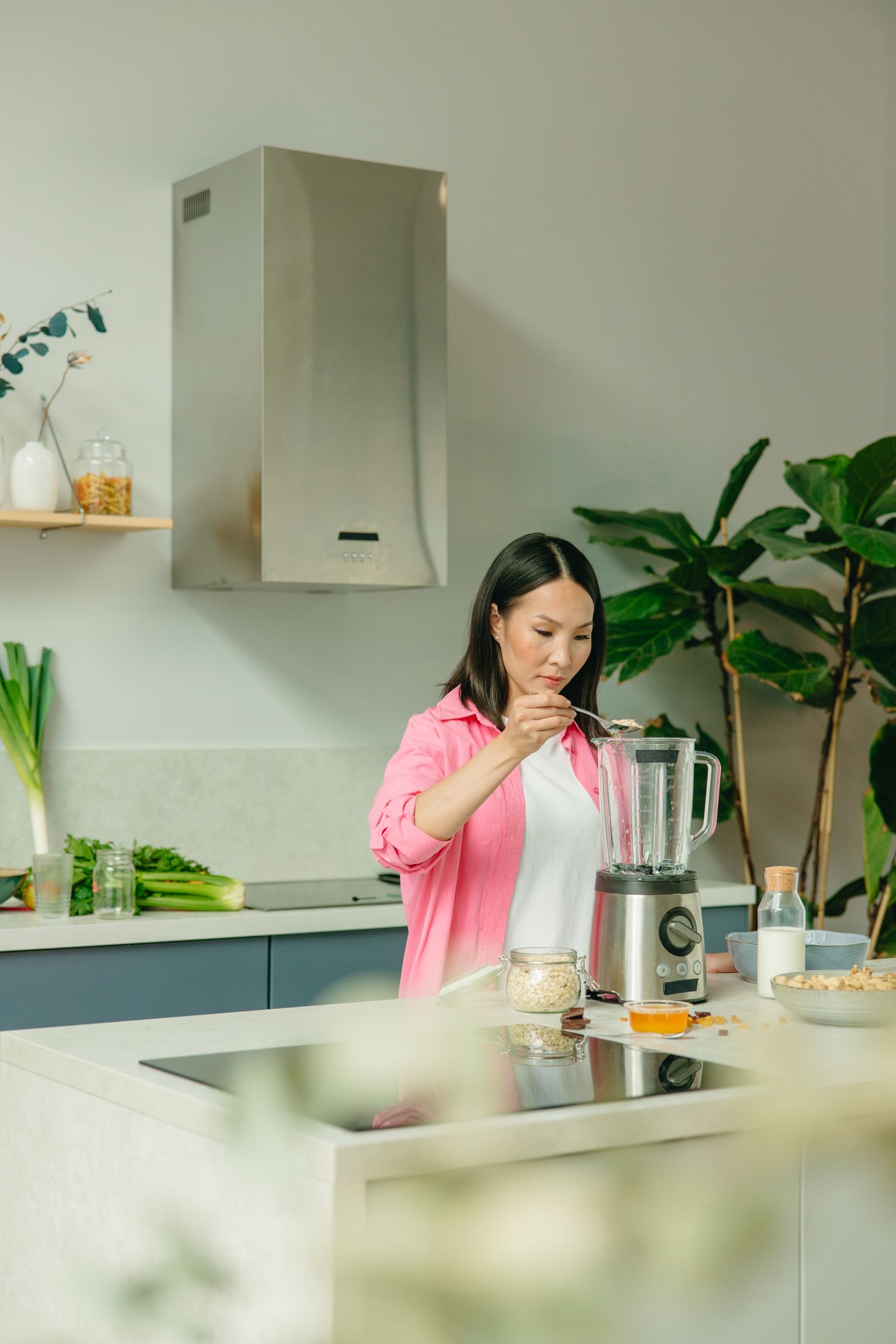
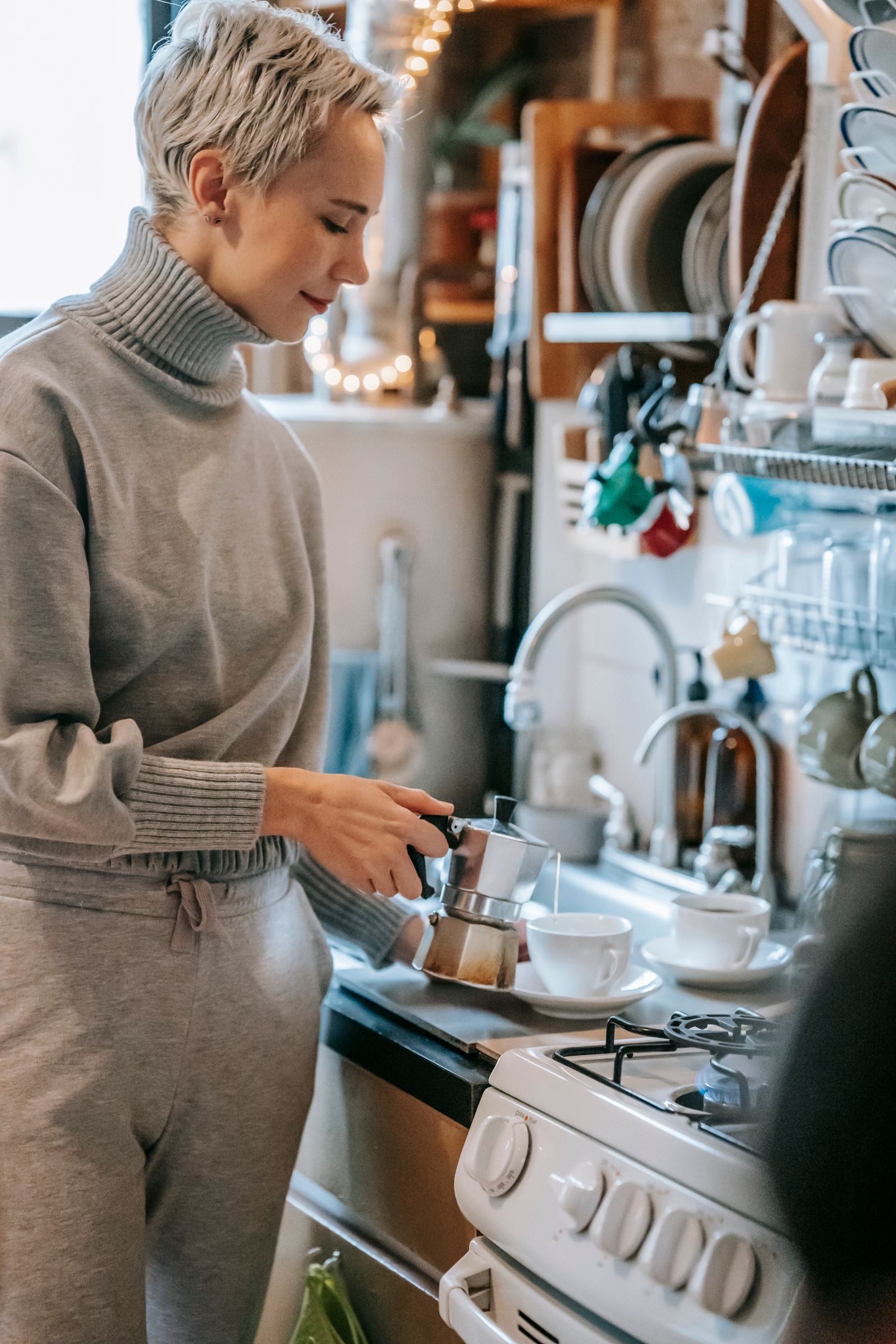
In a small kitchen, the coffee setup shares a short stretch of counter with the kettle, dish rack, and the place where groceries are unpacked. A machine that looks compact on a product page can make the whole morning feel cramped once its water tank opens and a cup sits beneath the spout.
What to compare before you buy
Write down the drinks you actually make on a weekday. A drip brewer is straightforward for several cups, while a single-serve brewer can reduce leftover coffee but relies on compatible pods or grounds. An espresso-style machine adds control and cleaning steps. Compare the full working footprint: lid clearance, water-tank access, cord reach, and the room needed to remove parts for washing. Include filters, pods, descaling supplies, and replacement carafes in the ownership cost.
A practical buying checklist
Keep these checks beside the product page while you compare current options:
- Measure counter width, depth, and overhead clearance where the brewer will live.
- Check how the reservoir and filter basket are removed for filling and cleaning.
- Compare recurring costs for the coffee format and maintenance routine you prefer.
- Make sure a hot carafe or cup can be set down without blocking the sink or prep area.
The trade-off to make visible
A simpler brewer usually asks less of the counter and the morning. More control can make a favorite drink easier to repeat, but brings extra parts and maintenance. Choose the smallest setup that reliably makes the drinks you already enjoy.
A good fit when
People who make coffee most days and can point to a permanent, safe place for the brewer.
Think twice when
Anyone who would need to move a heavy machine every morning or rarely makes the style of coffee it is designed for.
Lifeperch takeaway
People who make coffee most days and can point to a permanent, safe place for the brewer. Before ordering, verify the product’s current dimensions, compatibility, and return terms on the retailer’s listing.
Check current optionsCommon questions
Is a pod machine always the easiest option?
It can simplify portions and cleanup, but check pod availability, per-cup cost, recycling options, and whether the machine also accepts grounds.
How much clearance should I leave?
Follow the maker’s ventilation and use instructions, and leave enough room to open the lid, fill the tank, and remove washable parts.
Lifeperch guides are designed to help you compare fit and trade-offs. We do not claim hands-on testing unless a guide explicitly says it took place.
Read the affiliate disclosure